Chicago Zoning Code & Sign Permit Applications – Understanding the Big Picture.

Posted by Louie Greenebaum
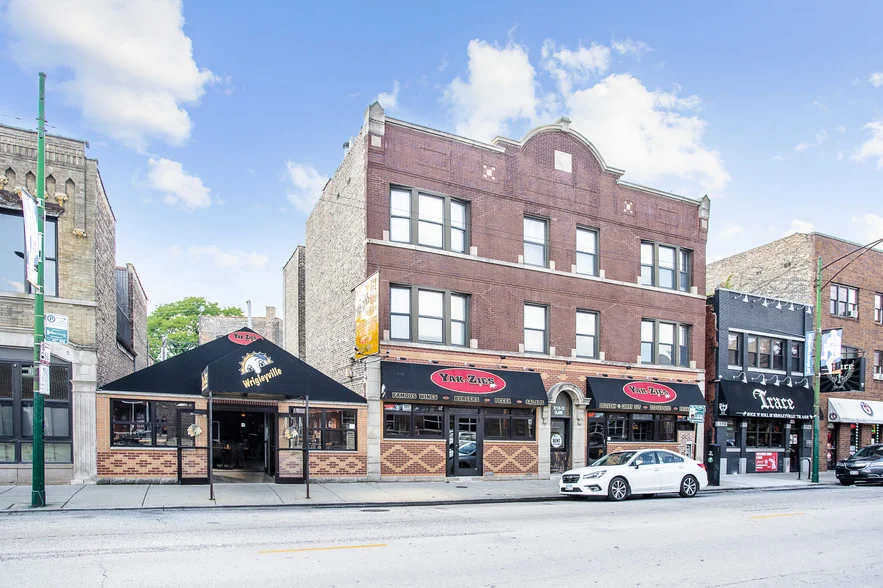
The Chicago zoning code affects new sign permit applications in several ways. Particular types of signs are prohibited in certain Chicago zoning districts.
For example, in residential zoning districts (i.e., R and DR zoning districts) permitted businesses must abide by strict sign size and sign type rules. Typically:
- One (1) wall sign for each street frontage is allowed.
- The maximum size for each wall sign is 16/sq.ft.
- Freestanding signs (also known as monument signs) are regulated by both height and sign face area. With some exceptions, most freestanding signs proposed in residential districts must be no more than six (6) feet in height and have a sign face area of 32 sq. ft. or less.
- Signs with direct lighting or internal lighting are strictly prohibited.
What is the Maximum Total Sign Area by Type of Zoning District?
- B1 & B2 – 3x the street frontage or 600 sq. ft. in area, whichever is less
- DC & DX – 5x the street frontage or 800 sq. ft. in area, whichever is less
- B3, C1, C3, DS – 4x the street frontage or 1,500 sq. ft. in area, whichever is less
- C2, M – 5x the street frontage or 1,800 sq. ft. in area, whichever is less
How is the Maximum Total Sign Area (total square footage) Calculated?
By measuring all the signs on a building and adding up their area sizes.
What is the Minimum, Guaranteed Wall Sign Area Size for a Ground-floor Tenant in a Multi-level Building?
Even if the signage on a building or lot is at the maximum total sign area permitted by the Chicago Zoning Code, a ground-floor tenant is allowed 32 square feet of signage. Existing ground floor tenant buildings where several billboards use up the allowable signage are permitted to have/install an awning, or combination of signs that add up to a total of 32 sq. ft.
Note: No such exception or provision exists for tenants above or below the first (ground) floor.
What is the Maximum Size for a Freestanding Sign?
Outside of residential zoning districts, freestanding signs can be up to 24 feet high and utilize up to 50% of the allowed maximum total sign area.
In certain circumstances, a freestanding sign is allowed to be taller. Exceptions include:
- Up to 35 feet in height if the zoning lot has street frontage on a single street that has
a right-of-way width of more than 80 feet, or - Up to 50 feet in height if it located in a zoning lot with more than 150 feet of frontage
on a single street with a right-of-way width of more than 80 feet.
Does the Chicago Zoning Code Allow for Dynamic Image Display Signs?
In B1 and B2 districts, areas of the sign face that are devoted to dynamic image displays may not exceed 25% of the maximum, total sign area allowed or 32 sq. ft., whichever is less. In all districts, areas of the sign face that are devoted to dynamic image displays may not exceed 25% of the maximum, total sign area allowed under or 64 sq. ft, whichever is less.
Should the proposed dynamic image display sign also be a freestanding sign, everything within the sign frame is counted toward the maximum, total sign area (total sq. ft.) allowed.
What are Special Sign districts?
Special sign districts are areas within Chicago where additional sign regulations have been implemented to promote the existing commercial aesthetic.
Chicago's Special Sign Districts include:
- Michigan Avenue Corridor
- Oak Street Corridor
- State Street/Wabash Avenue Corridor
- Chicago River Corridor
Each special sign district has defined boundaries and additional regulations for the types of signs that are both prohibited and encouraged. For example, roof signs are prohibited in each of the special sign districts.
Understanding and navigating the rules, regulations, and permits involved in signage and zoning districts can be confusing and time consuming. The experts at Burnham Nationwide are here to help.
Contact Louie Greenebaum for more information or to discuss your specific project.