Commercial Driveway Permit Compliancy

Posted by Louie Greenebaum
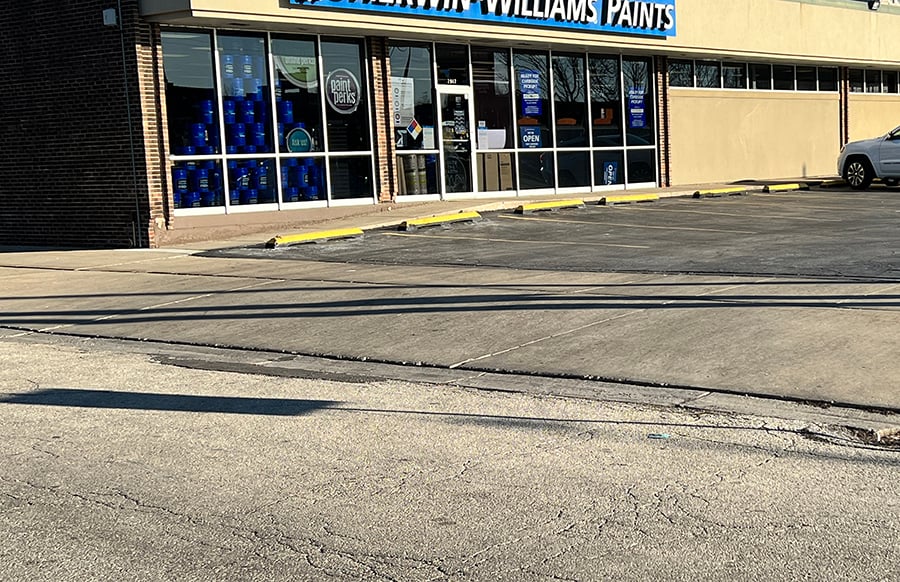
Commercial Driveway Permits ....
Keep in Compliance with Help from The Experts at Burnham Nationwide.
In April 2021, the Chicago Department of Transportation (CDOT) discovered that there were over 19,000 commercial driveway permits with unpaid fees. This was in addition to an undetermined number of existing driveways that lacked driveway permits entirely. Subsequently, the Office of Inspector (OIG) recommended corrective actions that included having the Department of Business Affairs and Consumer Protection (BACP) and CDOT integrate their permit databases, among other measures, to ensure the proper enforcement of permit fees and fines.
In an OIG report originally published in 20191, it was noted that effective November 2021, the BACP will begin the process of placing holds on existing business licenses and existing permits for driveways deemed non-compliant, i.e., a driveway that doesn’t have a permit but is required, or a driveway permit with outstanding fees.
To avoid any disruption, businesses/owners with an associated non-compliant driveway must initiative efforts to either, acquire the needed driveway permit, or remit any outstanding payments due. Only after which will applicable business license(s) and other permits will be eligible for renewal.
What is Needed to Apply for a Driveway Permit?
- Completed Application
- Dimensioned Site Plan
- Alley Access Ordinance (if necessary)
- Photographs of Proposed Driveways (including sidewalk & curb detail)
- Deed, Federal Employer Identification Number (FEIN) or Social Security Number, & Permanent Index Number (PIN) for the Property
- Certificate of Insurance & Endorsement Page
Additional documentation may also be required. The professionals at Burnham Nationwide can help determine what will be needed to complete your commercial driveway permit application. Annual fees vary depending on width and location within the city. Burnham can help with calculating and managing those as well.
Time required from submission of a completed driveway application to permit issuance an take up to 6 months.
Need assistance acquiring/managing a commercial driveway permit in Chicago? Let the permit experts at Burnham Nationwide help.
Contact Louie Greenebaum with any questions or to get the permitting process started.
1 https://igchicago.org/wp-content/uploads/2021/08/OIG-CDOT-Driveway-Billing-Second-Follow-Up.pdf